
Can a Torn Meniscus Heal on Its Own? What You Need to Know

Medically Reviewed by
Dr. Hesham Al-Khateeb
FRCS (Orthopaedics) · UK Board-Certified
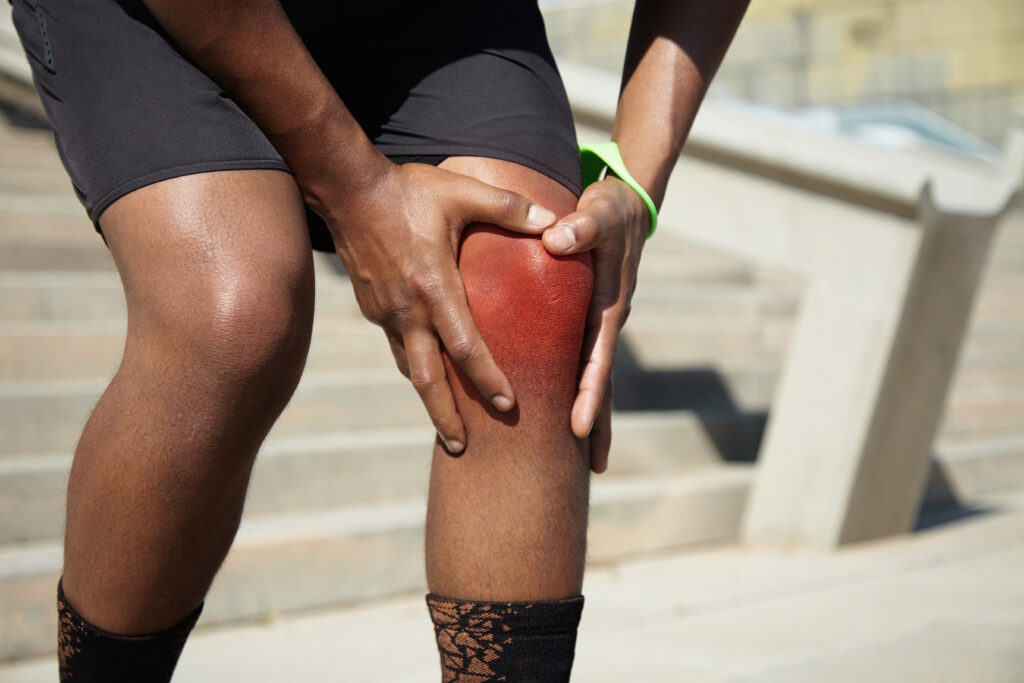
Knee pain can make everyday movements difficult and uncomfortable. If you’ve recently injured your knee or you have been diagnosed with a meniscus tear, you may be wondering: Can a torn meniscus heal on its own?
The answer depends on several factors, including the size and location of the tear, your age, how active you are, and the overall health of your knee. Some small tears can get better with rest and basic care, but others might need medical treatment or surgery to avoid long-term problems with your joint.
Dr. Hesham Al-Khateeb offers patients with advanced diagnoses and personalised treatment plans designed to restore mobility, reduce pain, and support faster recovery.
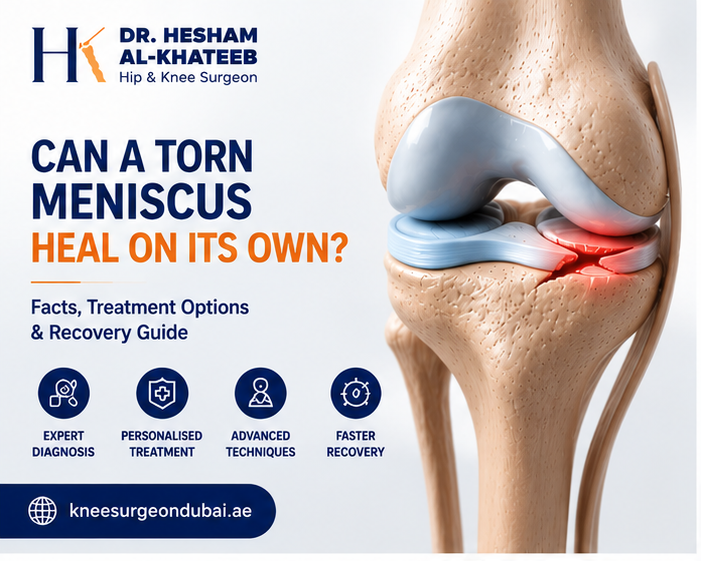
What is a Torn Meniscus?
In the knee joint, the meniscus is a C-shaped cartilage that helps cushion and support the thigh bone and the shin bone. Each knee has two menisci that help stabilise the joint and cushion movement. A tear might occur suddenly while playing sports or develop slowly as you age and your body undergoes normal wear and tear. Common symptoms are:
- Knee pain
- Swelling
- Stiffness
- Clicking or locking sensations
- Difficulty bending or straightening the knee
Types of Meniscus tears
Each knee contains two menisci that help cushion and stabilise the joint:
- Longitudinal tears: These tears extend vertically along the length of the meniscus.
- Radial tears: These begin at the inner edge of the meniscus and spread outward.
- Horizontal tears: These divide the meniscus into top and bottom portions.
- Complex tears: These involve a combination of different tear patterns within the meniscus.
Can a torn meniscus heal on its own?
Many patients immediately ask, can a meniscus tear heal on its own? The answer depends largely on where the tear occurs.
In some cases, yes, a torn meniscus can heal on its own, especially if the tear is small and located in the outer portion of the meniscus, where the blood supply is better.
The outer third of the meniscus, often called the “red zone,” has enough blood flow to support natural healing. However, tears located in the inner portion of the cartilage usually heal more slowly because they receive very little blood supply.
Whether a torn meniscus will heal on its own also depends on:
- How severe the tear is
- Your age and how active you are
- How stable is your knee
- The overall health of your joint
- If your injury is recent or has developed over time
Minor tears may improve with rest, physical therapy, and lifestyle modifications, while larger or complex tears may require surgical treatment.
Can a Meniscus tear heal naturally in older adults?
As we age, the meniscus naturally weakens and becomes more prone to degeneration. Degenerative tears are more common in older adults and may not heal as easily as acute sports-related injuries.
Many patients can manage their symptoms effectively with non-surgical treatments. In many cases, whether does a torn meniscus heal on its own depends on the health of the surrounding cartilage and the knee joint. Early diagnosis is important to prevent worsening damage or progression of arthritis.
How long does a Torn meniscus take to heal?
Patients frequently ask, how long does a torn meniscus take to heal? There is no one-size-fits-all answer, as healing depends on the tear type and the treatment method.
In general:
- Mild tears may improve within a few weeks
- Moderate tears may take several months
- Surgical repairs require longer rehabilitation for proper healing
Understanding how long does it take for a meniscus tear to heal helps patients set realistic expectations for recovery.
Treatment options for a Meniscus tear
When it comes to meniscus tear treatment, most doctors begin with simple, non-surgical options, especially when the tear is small and the knee is still functioning fairly well. The primary goals are to reduce discomfort and swelling and to support the body’s natural healing process whenever possible.
Dr. Hesham Al-Khateeb provides treatment tailored to each individual, focusing first on conservative care before considering surgical solutions.
Conservative treatment
For many patients, early torn meniscus treatment without surgery starts with basic but highly effective self-care measures commonly known as the RICE method.
RICE method
- Rest: Limit movements and activities that may put extra pressure on the knee, giving it adequate time to heal properly.
- Ice: To reduce swelling and discomfort, apply ice for 15–20 minutes at regular 2–3 hour intervals.
- Compression: Use a knee bandage or wrap to control inflammation and provide support.
- Elevation: Keep the leg raised above heart level when possible to minimize swelling.
This approach is often recommended during the early stages of meniscus tear recovery time, particularly for mild injuries.
Physical therapy for Meniscus tear recovery
Physical therapy is one of the most important parts of recovery and is often central to can a meniscus tear heal without surgery treatment plans. A structured rehabilitation program helps to:
- Strengthen the muscles surrounding the knee
- Improve flexibility and range of motion
- Improve knee stability while minimising pressure on the meniscus.
Common exercises include:
- Quadriceps strengthening to support proper knee alignment
- Hamstring stretching to improve flexibility
- Balance and proprioception exercises to enhance coordination and overall knee stability.
- Cycling and swimming are low-impact exercises that allow you to maintain fitness safely.
These exercises are important for meniscus tear healing and Helping patients return to everyday activities with renewed confidence.
Corticosteroid Injections
If pain and swelling continue despite conservative treatment, corticosteroid injections may be considered as part of meniscus tear treatment. These injections work by placing anti-inflammatory medication directly into the knee joint, which can help to:
- Reduce swelling
- Relieve pain
- Improve movement and function
The effects can last from several weeks to a few months, making them useful during ongoing meniscus tear recovery time without surgery, especially when symptoms are limiting daily activity.
Surgical treatment options
If non-surgical treatments do not effectively improve symptoms, surgical options may be considered under the care of Dr. Hesham Al-Khateeb. Surgery is typically recommended when symptoms persist or interfere significantly with quality of life.
- Arthroscopic Surgery
Arthroscopic surgery is a surgical procedure often performed to address knee joint through small incisions around the knee. A tiny camera (arthroscope) allows the surgeon to view and treat the damage inside the joint.
During the procedure, the surgeon may:
- Repair the torn meniscus by stitching it back together
- Remove damaged tissue that cannot be repaired
This approach is commonly used when a more targeted intervention is needed after failed torn meniscus treatment without surgery.
- Partial Meniscectomy
A partial meniscectomy may sometimes be needed, involving removal of the damaged meniscus tissue while keeping as much healthy cartilage as possible. This option is usually recommended when:
- The tear occurs in an area that has a poor blood flow.
- The tissue is too damaged to repair.
- Knee pain and dysfunction are significantly affecting daily life.
Both surgical options aim to restore knee function, reduce pain, and improve long-term mobility.
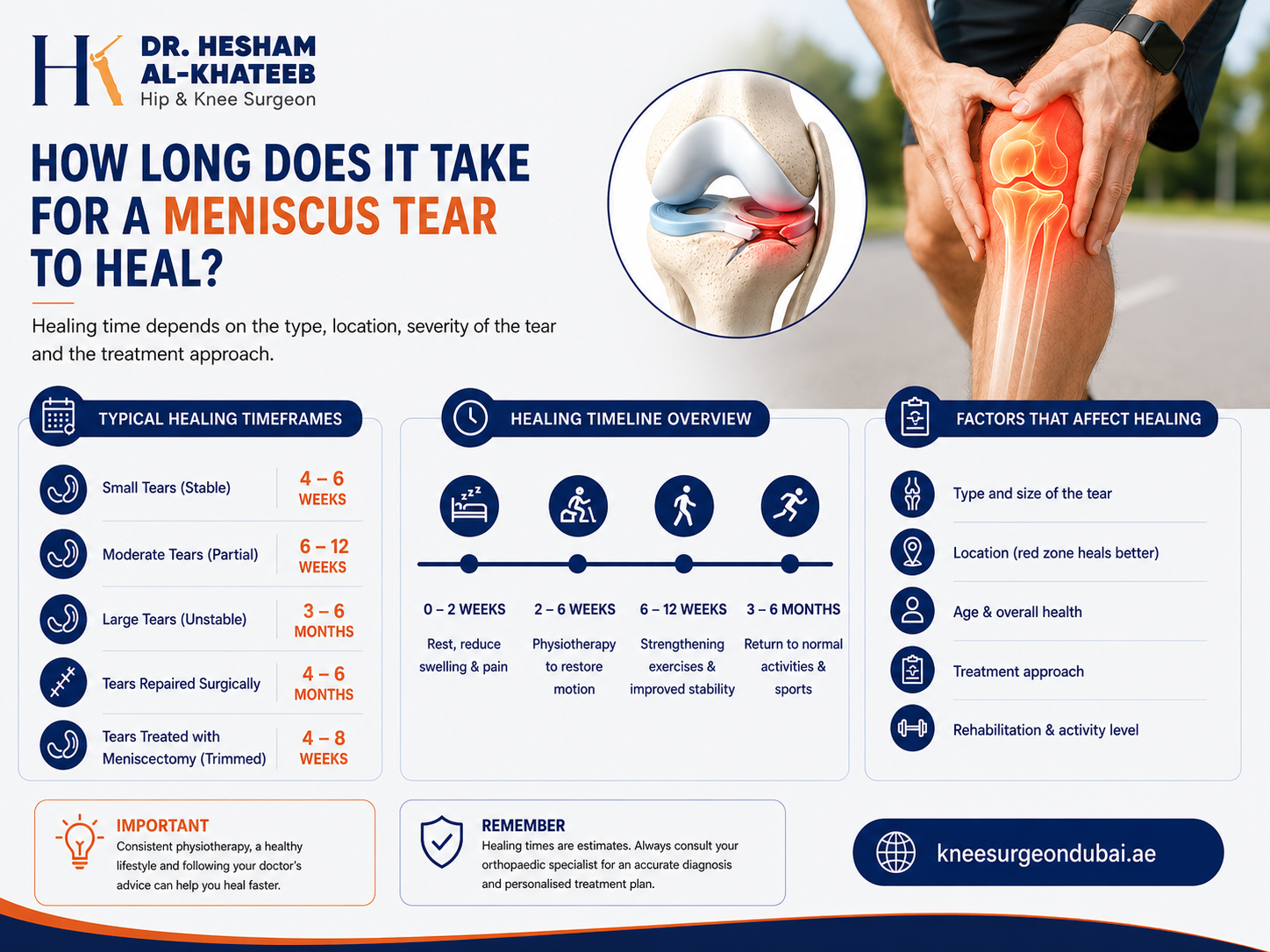
Signs your Meniscus tear may need surgery
Although some tears heal conservatively, certain symptoms may indicate the need for surgery.
These include:
- Persistent pain despite rest
- Knee locking or catching
- Ongoing swelling
- Difficulty walking
- Knee instability
- Reduced range of motion
If symptoms interfere with daily activities, a specialist can determine whether surgery is the best option.
Meniscus tear recovery time
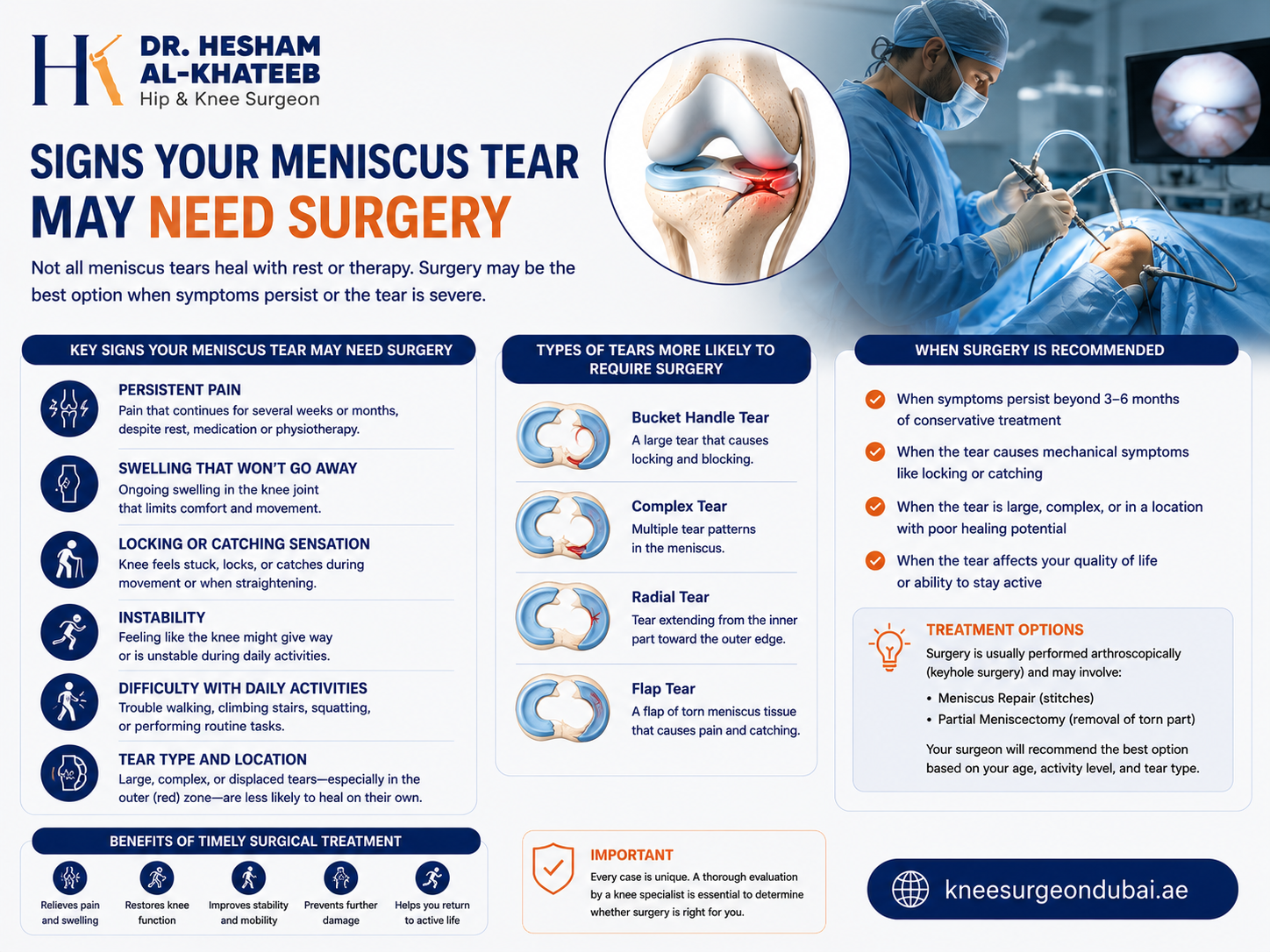
One of the biggest concerns patients have is understanding meniscus tear recovery time. Recovery time can differ based on how severe the tear is and whether surgery is needed.
Meniscus tear recovery time without surgery
For mild tears treated conservatively, meniscus tear recovery time without surgery may range from:
- 4 to 8 weeks for mild injuries
- Several months for more significant tears
Physical therapy is often key to helping people regain their strength and flexibility during recovery.
Torn meniscus recovery time after surgery
If surgery is required, torn meniscus recovery time depends on the procedure performed.
- Meniscus trimming procedures may recover in 4 to 6 weeks
- Meniscus repair surgery may require 3 to 6 months of rehabilitation
An experienced orthopaedic specialist as Dr. Hesham Al-Khateeb will guide you through a personalised recovery plan based on your condition.
How to support Meniscus healing naturally
If your doctor recommends conservative care, there are several ways to support healing naturally and improve comfort during recovery. Helpful recovery tips include:
- It’s best to avoid activities that put too much strain on your joints.
- Stick to the physical therapy plan your provider gives you.
- Work on strengthening the muscles around your leg.
- Maintain a healthy body weight.
- Use supportive braces if recommended.
These steps may help improve meniscus tear healing time and reduce stress on the knee joint.
Protect your knee health with early diagnosis and expert care
Understanding whether a torn meniscus can heal on its own is an important first step toward proper treatment and recovery. While some tears improve with conservative care, others require medical intervention to restore knee function and prevent further joint damage.
Dr. Hesham Al-Khateeb, offers patients with expert orthopedic care tailored to their injury, lifestyle, and long-term mobility goals.
Book your consultation today to get the best treatment options for your meniscus injury and recovery.
FAQs
Yes, some small tears in parts of the meniscus that get good blood flow can heal on their own with rest and basic care.
Often, mild tears get better without surgery, especially if you follow a rehab plan and adjust your activities.
you may experience difficulty bending, straightening, or putting weight on your knee.
Some tears heal well without surgery, but others might keep causing pain or feel unstable and may need surgery.
diagnosis and treatment.
Recovery may range from a few weeks to several months, depending on how bad the tear is and how it’s treated.
need medication, physical therapy, or surgery.
If you have a mild meniscus tear, you can usually recover without surgery in about 4 to 8 weeks by resting, using ice, and doing physiotherapy. Moderate tears may take 2 to 3 months to heal, depending on the severity, the location of the injury, and how closely you follow your rehab plan.
About the author

Dr. Hesham Al-Khateeb
FRCS (Trauma & Orthopaedics) – UK
UK Board-Certified
15+ Years Experience
DHA Licensed – Dubai
Knee & Hip Specialist
Dr. Hesham Al-Khateeb is a UK board-certified orthopaedic surgeon specialising in knee and hip conditions, including knee replacement, ACL reconstruction, meniscus repair, cartilage restoration, and hip replacement surgery. Trained and certified in the United Kingdom, he brings internationally recognised surgical expertise to patients across Dubai and the GCC.
Currently practising at Emirates Hospitals Dubai, Dr. Hesham is known for personalised, evidence-based care — combining the latest minimally invasive and arthroscopic techniques with a focus on restoring long-term joint function and quality of life.
Medical Disclaimer
his article is for informational purposes only and is not a substitute for professional medical advice, diagnosis, or treatment. Always seek the advice of a qualified health provider with any questions you may have regarding a medical condition.
Medically reviewed by Dr. Hesham Al-Khateeb