
Why Do My Shins Hurt When I Run?
Running is one of the simplest and most rewarding forms of exercise, but if you’ve ever felt a sharp or nagging pain in your shins during or after a run, you know how frustrating it can be. Many runners, from beginners to seasoned athletes, struggle with shin pain. The good news is, this discomfort often has an identifiable cause and effective solutions.
In this article, you will have all the answers to the question ‘why do my shins hurt when I run’, what do shin splints feel like, causes of shin bone pain, recovery timelines, and ways to prevent shin pain so you can enjoy your runs pain-free.
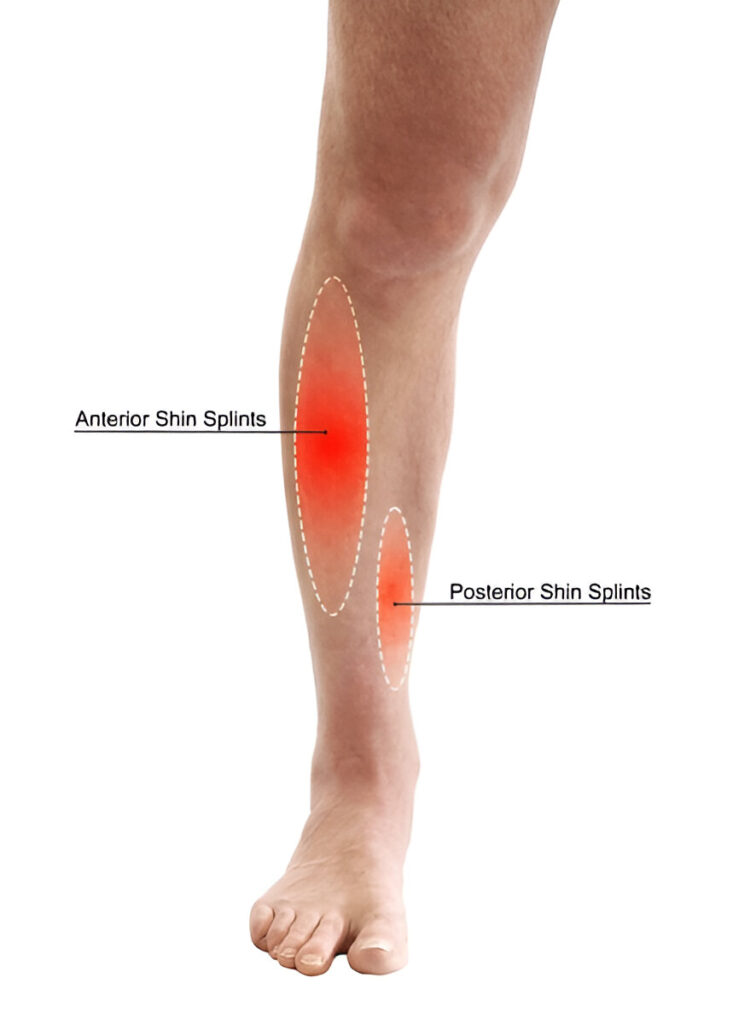
The Big Question: Why do my shins hurt when I run?
Shin pain while running is commonly linked to a condition called shin splints, or medial tibial stress syndrome (MTSS). This happens when the muscles, tendons, and bone tissue around your tibia bone (shin bone) become irritated or inflamed.
But shin pain isn’t always caused by shin splints. Other factors, such as stress fractures, poor running form, flat feet, or even wearing the wrong shoes, can contribute to discomfort. Understanding and detecting the underlying cause is key to finding relief.
What does shin bone pain feel like?
If you’re wondering whether your pain is actually shin splints, here’s how people often describe it:
- A dull ache along the front or inner side of the shin bone
- Shin bone pain when touched or tenderness on the tibia
- Sharp pain in shin that gets worse while running or walking
- Burning shin pain or stiffness in the front of the shin after exercise
- Shin hurts to touch no bruise but feels sore
The intensity can vary from mild discomfort to severe shin pain while running that makes activity nearly impossible.
When Walking Hurts: Why do my shins hurt when I walk?
Why do my shins hurt when I walk? This is a common question, especially for people who feel discomfort even outside workouts. Some notice shin pain when walking long distances or standing all day.
It may happen if your shins are already inflamed, or if your muscles and tendons are under strain. It can also be linked to shin pain at rest, meaning discomfort without active movement.
If pain occurs without any high-impact activity, it could be due to:
- Muscle overuse or fatigue
- Flat feet or improper walking posture
- Stress on the shin from poor footwear
- Underlying conditions like stress fractures or tendonitis
If you’re asking, “Why do my shins hurt without exercise?”, it could indicate stress fractures or circulation problems, so it’s worth consulting a doctor.
Shin Splints Causes: What’s behind the pain?
Several factors can lead to shin splints causes or pain in shins:
- Overtraining – Rapidly increasing mileage or intensity without giving your body time to adapt.
- Improper Footwear – Old or unsupportive shoes that don’t cushion your feet properly.
- Flat Feet or High Arches – Foot structure that causes uneven pressure on the shins.
- Hard Surfaces – Running frequently on concrete or uneven ground.
- Poor Form – Incorrect running mechanics, such as overstriding.
- Tight Calf Muscles – Lack of flexibility can strain the shin area.
Cause of shin splints often combines multiple factors like overuse and biomechanics. That’s why understanding what leads to lower shin pain or outer shin pain is key to preventing recurrence.
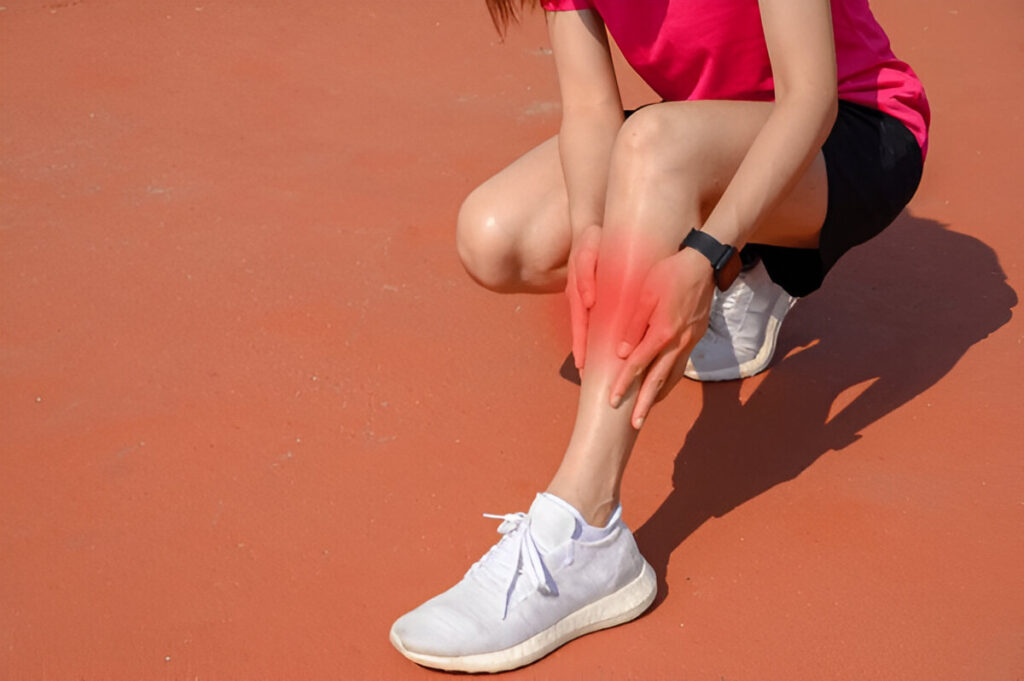
Location Matters: Upper Shin Pain vs. Front of Shin Pain
Not all shin pain feels the same, and where you feel it can give clues about the cause:
- Upper Shin Pain – Often linked to stress on the muscles attached to the upper tibia or even early signs of stress fractures.
- Front of Shin Pain – Typically associated with shin splints or inflammation of the tibialis anterior muscle (the one you use to lift your toes while running).
- Pain in front of lower leg – May feel like tightness or pressure when lifting the toes.
- Pain on side of shin or inside shin pain running can indicate compartment syndrome or tendon strain.
When Shin and Calf Pain Go Hand-in-Hand
Sometimes shin pain isn’t isolated; you may also feel shin and calf pain. This combination usually points to muscle imbalances or tightness. When your calf muscles are stiff, your shins take on more strain, leading to pain in both areas.
Why do my calves hurt when I run? Calf pain can also occur alongside shin pain after running, making it important to stretch both regions.
But What If My Shins Hurt Without Exercise?
It can be alarming to experience shin pain at rest or even at night.
Causes may include:
- Stress fractures that hurt even at rest
- Nerve irritation or circulation issues
- Vitamin deficiencies affecting bone health
- Previous injuries that haven’t healed properly
If shin pain persists without exercise, it’s best to get checked by a doctor like Dr. Hesham Al Khateeb to rule out underlying conditions.
Shin Splints Medication: What can help?
Shin splints medication may include over-the-counter anti-inflammatory drugs. They can reduce shin bone pain, swelling, and inflammation. However, medication should only be a short-term solution.
The real goal is addressing the root cause through rest, stretching, and correcting biomechanical issues.
Recovery Insights: How long does it take for shin splints to heal?
One of the most searched questions is “how long do shin splints take to heal” or “shin splints recovery time”.
Recovery depends on severity:
- Mild Shin Splints – May improve within 1 to 2 weeks with proper rest and care.
- Moderate Shin Splints – Could take 3 to 6 weeks to fully recover.
- Severe Cases or Stress Fractures – May require several months of rest and rehabilitation.
On average, most people notice significant improvement in 4 to 8 weeks if they follow a proper recovery plan. Still, running with shin splints delays healing, so avoiding impact is important.
Shin Splints Recovery Time: What you need to know?
During recovery:
- Avoid high-impact exercises like running or jumping.
- Switch to low-impact exercises such as cycling, swimming, or elliptical training.
- Perform stretching and strengthening for calves and shins.
- Use compression sleeves to ease shin pain while walking.
If you’re asking, “Can you run with shin splints?”, the answer is that running often worsens the injury. You can start light activity again once pain has subsided.
Treatment Options: Non-Surgical and Surgical Approaches
Managing shin pain depends on its cause and severity. Most cases improve with non-surgical care, but in persistent or severe situations, surgical intervention may be considered.
Non-Surgical Treatments
- Rest and Activity Modification – Taking a break from high-impact activities like running and switching to low-impact exercises such as cycling or swimming.
- Ice Therapy – Applying ice packs to the shins for 15–20 minutes several times a day to decrease inflammation.
- Compression and Elevation – Using compression sleeves and elevating the legs to improve blood flow and decrease swelling.
- Physical Therapy – Stretching and strengthening exercises for calves, shins, and feet to restore balance and reduce stress on the tibia.
- Custom Orthotics – Shoe inserts to correct foot alignment and provide support for flat feet or high arches.
- Medication – Over-the-counter anti-inflammatory drugs to manage pain in shin bone and swelling.
Surgical Treatments
Surgery is rarely needed but may be recommended in severe or chronic cases that don’t respond to conservative care.
Options may include:
- Fasciotomy – Releasing tight muscle compartments to relieve chronic exertional compartment syndrome.
- Repair of Stress Fractures – In rare cases, surgery may be required to stabilize fractures in the shin bone.
With early intervention and proper management, most runners and athletes recover without needing surgery. Consulting a specialist like Dr. Hesham Al Khateeb ensures the right treatment plan is tailored to your condition.
Prevention First: How to Prevent Shin Splints When Running
The best way to deal with shin splints is to prevent them from happening in the first place.
Here are some tips:
- Warm Up and Stretch – Always prepare your muscles before running.
- Increase Intensity Gradually – Avoid sudden jumps in mileage or speed.
- Wear Proper Shoes – Invest in running shoes that support your foot type.
- Run on Softer Surfaces – Grass, tracks, or trails are easier on your shins than concrete.
- Strengthen Muscles – Incorporate calf raises, toe lifts, and core stability exercises.
- Listen to Your Body – Don’t ignore early signs of pain; take rest days when needed.
When to See a Specialist
If you’re experiencing constant shin pain, sharp shin pain comes and goes, or pain down shin bone after every run, it’s time to seek help.
If you’re experiencing constant shin pain, sharp shin pain that comes and goes, or pain down the shin bone after every run, it’s time to seek help.
Consulting a sports medicine doctor like Dr. Hesham Al Khateeb ensures a tailored treatment plan. Dr. Hesham is an Award-Winning, UK Board Certified, and Fellowship-Trained Hip and Knee Surgeon with expertise in complex primary and revision hip/knee replacements as well as sports injuries. He has successfully performed over 2,000 joint replacements and trained at world-renowned institutions including the Royal National Orthopedic Hospital (London), University of Western (Canada), ENDOKlinik (Hamburg), and Harborview Hospital (Seattle).
With international experience as a Consultant Orthopaedic Surgeon and Senior Clinical Lecturer, Dr. Hesham has also received prestigious awards such as the NHS Innovation Award and the Norman Capener Award from the Royal College of Surgeons of England. His special interests include hip arthroscopy, direct anterior hip replacement, hip resurfacing, and unicompartmental knee replacement.
Get the Right and Timely Treatment for Your Shin Bone Pain with Dr Hesham Al Khateeb
Shin pain while running can be discouraging, but it doesn’t have to end your journey. By understanding why do shins hurt when running, knowing shin splints causes, and following a proper shin splints recovery time, you can enjoy running safely.
Whether it’s front shin pain, upper shin pain, or outer shin pain, paying attention to your body and acting early prevents long-term injury.
If shin pain is holding you back, don’t wait.
Book a consultation with Dr. Hesham Al Khateeb, and take the first stride toward a pain-free running experience.
FAQs
Shin pain often happens due to overuse, muscle strain, or shin splints. It can also result from stress fractures, poor footwear, or running on hard surfaces.
Calf pain while running is usually caused by muscle fatigue, dehydration, or tightness. It may also indicate poor running form or inadequate warm-up. Tight calves can also trigger shin and calf pain.
Shin splints generally cause pain along the inner edge of the shin bone, running down the front or inside of the lower leg.
Burning pain in the shin at rest may be linked to nerve irritation, circulation problems, or an untreated injury such as a stress fracture.
Tenderness when pressing on the shin bone often points to inflammation, shin splints, or in more serious cases, a stress fracture.
Yes, unsupportive or worn-out shoes are a major factor behind shin splints from running.
It’s not advised. Running often makes shin hurts when running worse and delays recovery.